
General Information
-
The Sensor Strip serves as an external sensing component for detecting impedance-based status changes in a compatible incontinence product (IP).
-
The Sensor Strip detects changes in the electrical properties (impedance) of the incontinence product in use and enables the derivation of a saturation level or status signal.
-
No fluid volume measurement is performed.
-
The operating principle is generally independent of the specific incontinence product used; however, it depends on the absorbent core structure, material properties, product geometry, and overall design characteristics of the respective incontinence product.
-
The resulting status signal is further processed by the alea system components and used within the respective system functions (e.g., Incontinence Monitoring).
Two approved application options are available:
Option A: Ready-to-Use alea-Compatible Incontinence Products with Integrated Sensor Strip
-
This option uses preconfigured alea-compatible incontinence products in which the Sensor Strip is already integrated or prepared by the manufacturer.
-
This also includes inherently compatible manufacturer solutions with integrated sensor technology or sensor channel structures (e.g., Seni Smart).
-
Detailed instructions for use, handling information, and manufacturer-specific guidance are provided in Section 1.4.2 covering ready-to-use alea-compatible incontinence products.
Option B: Manual Application to Compatible Incontinence Products
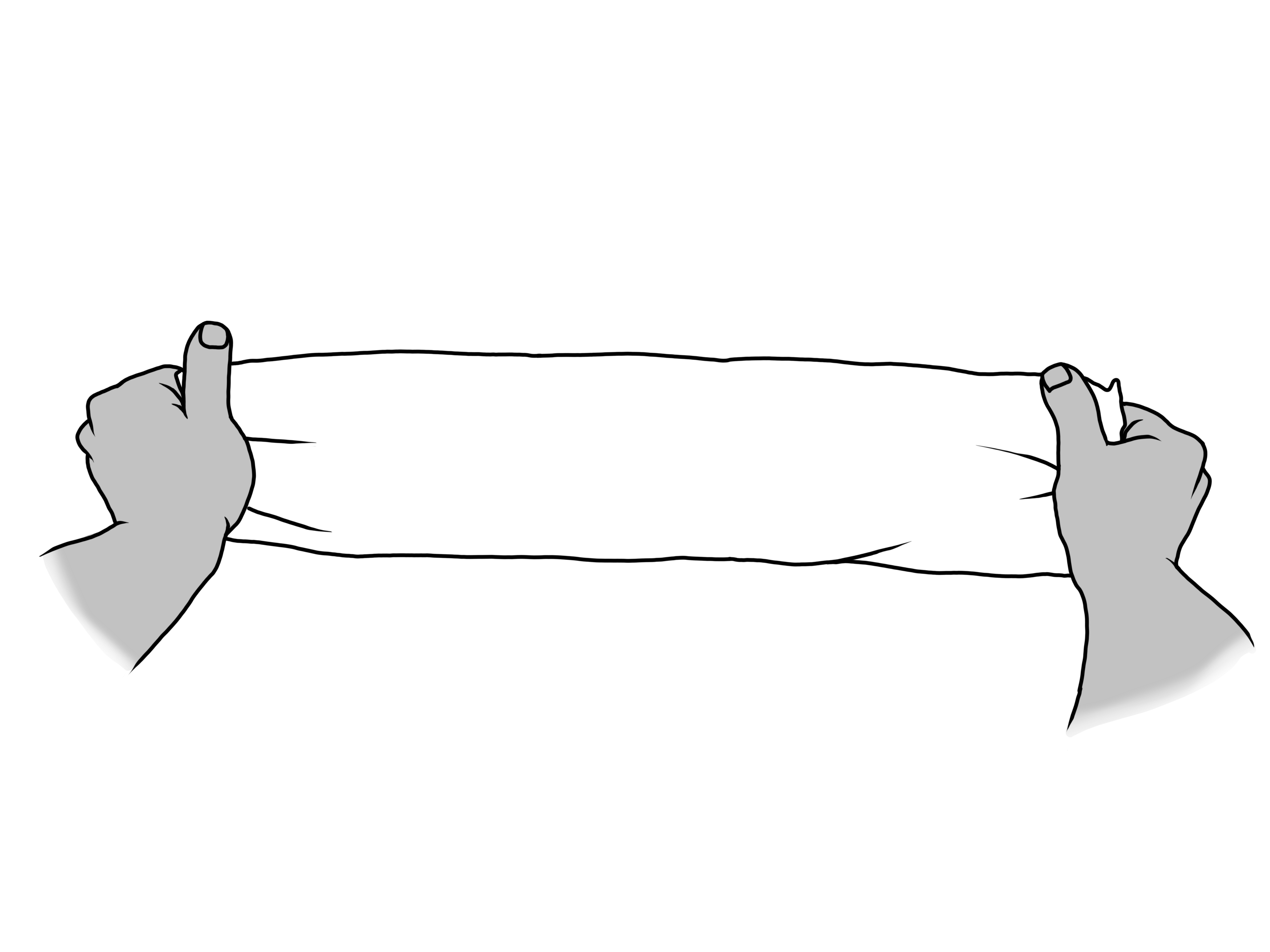
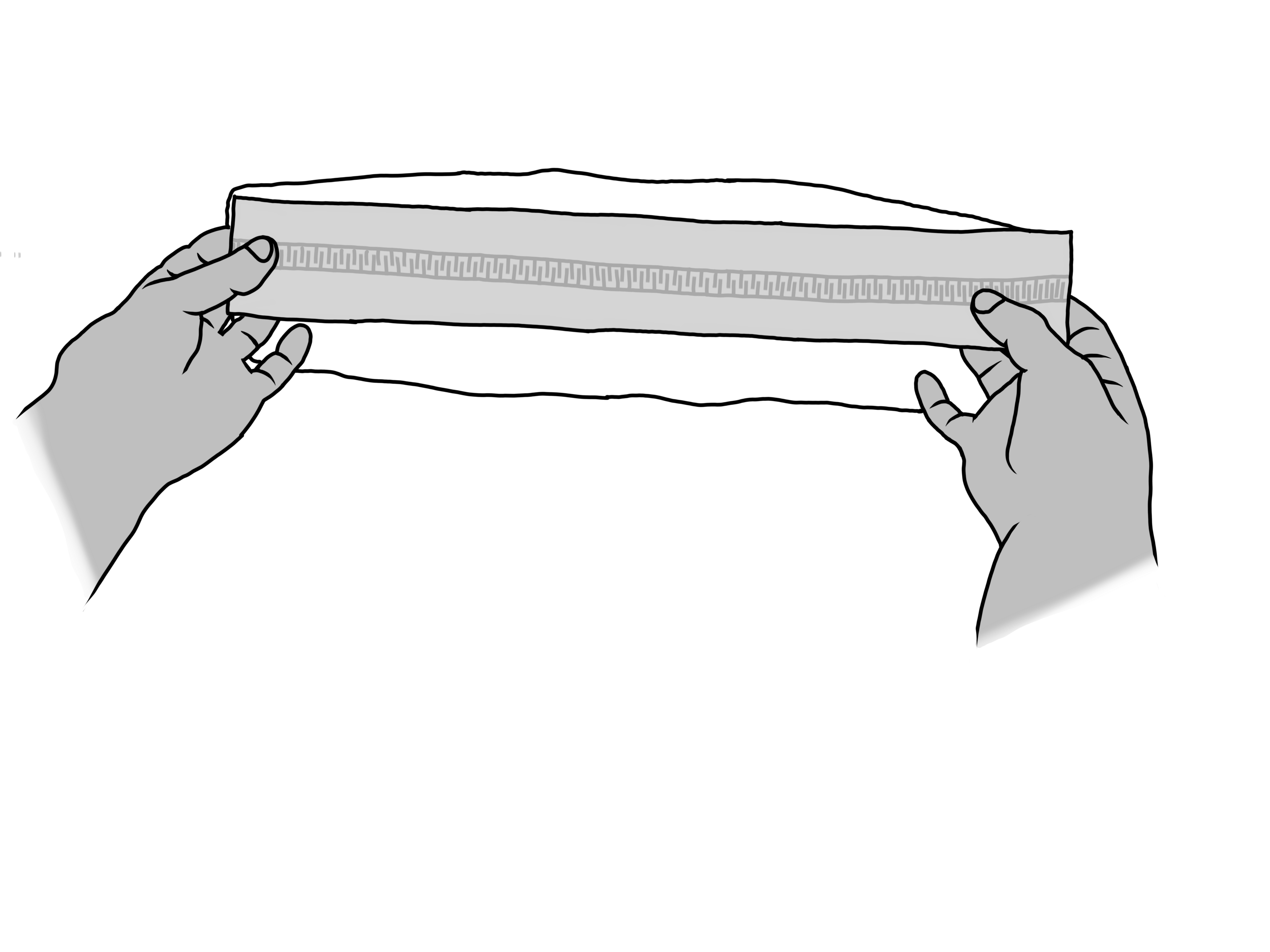
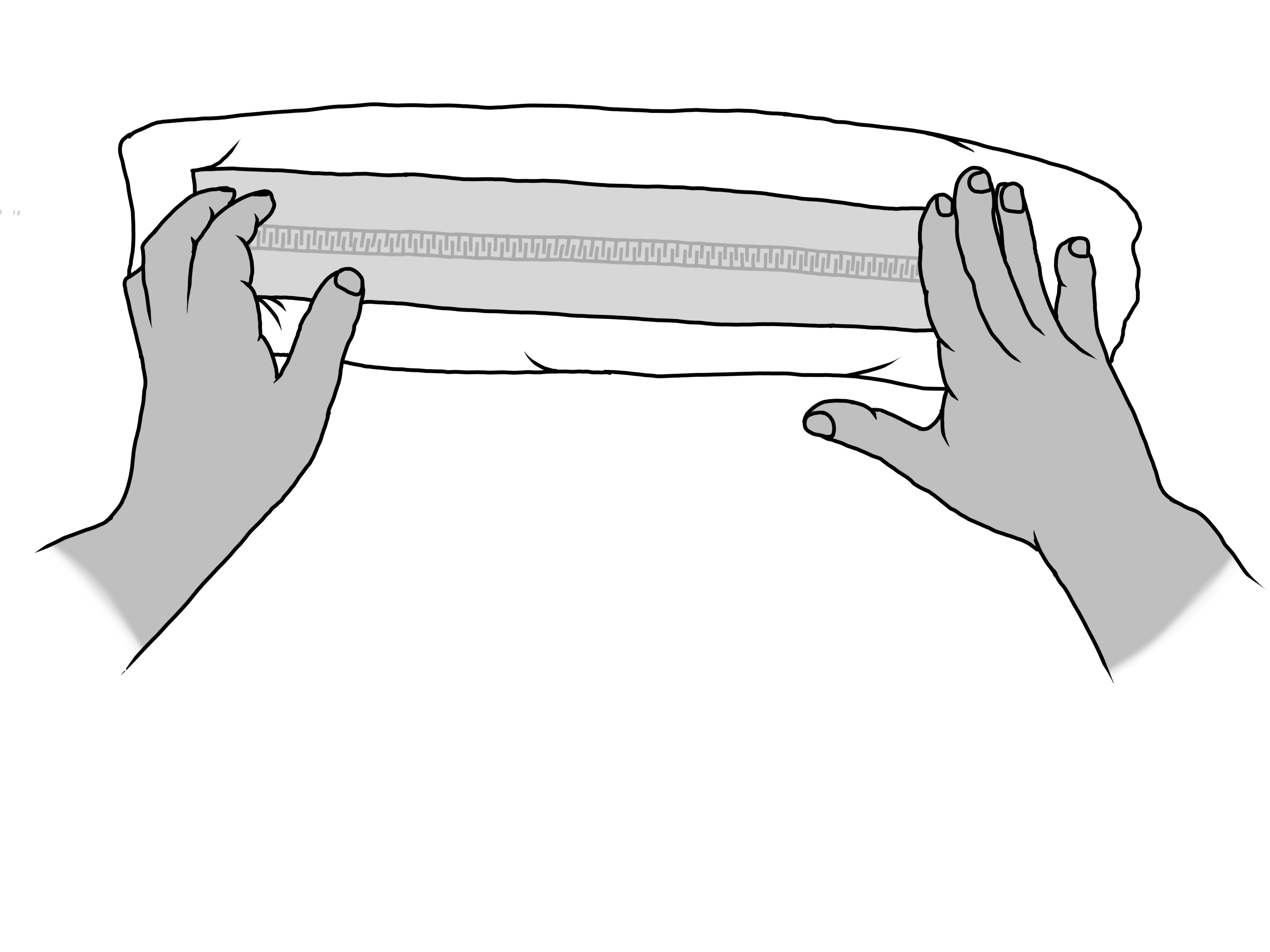
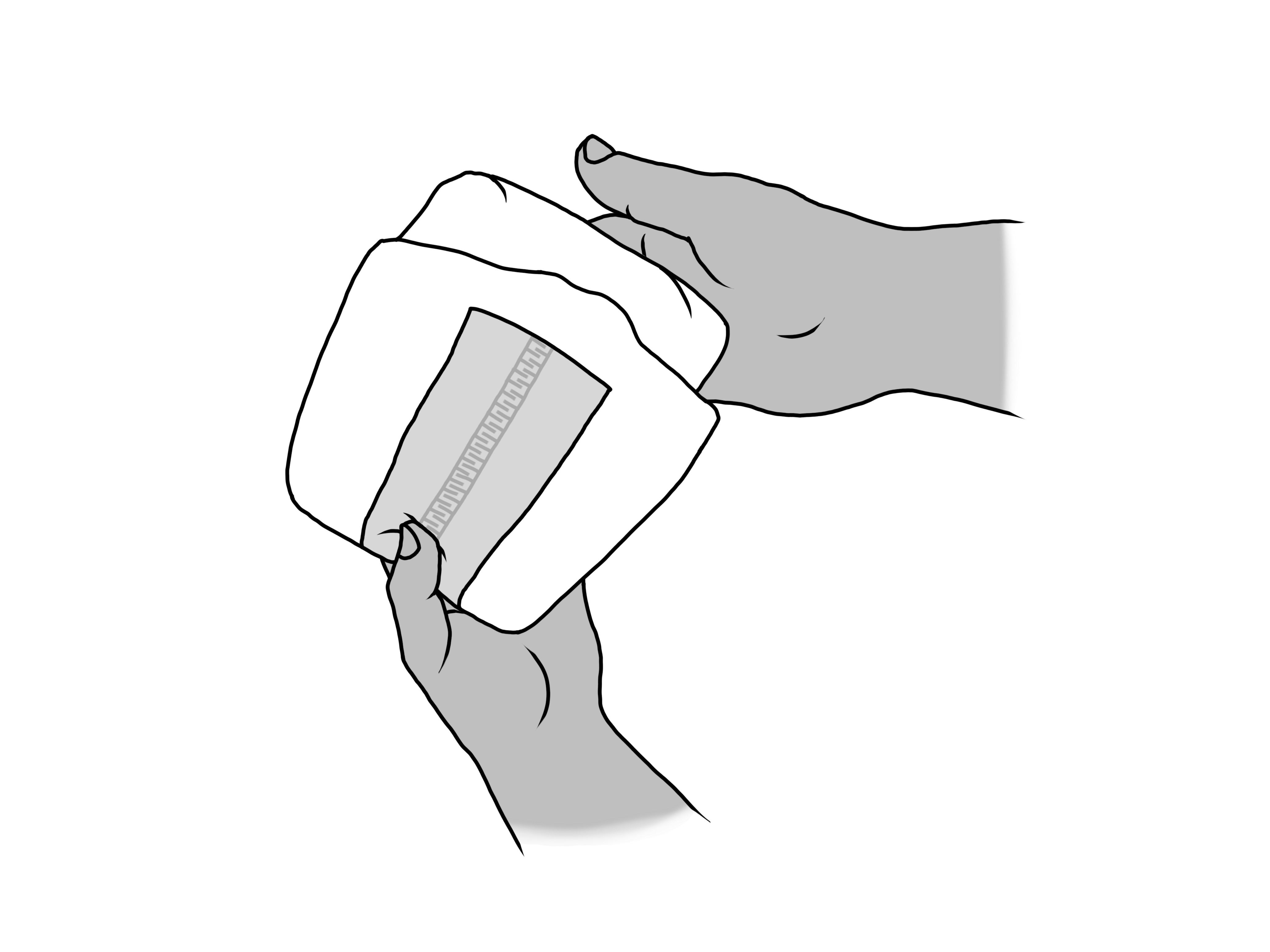
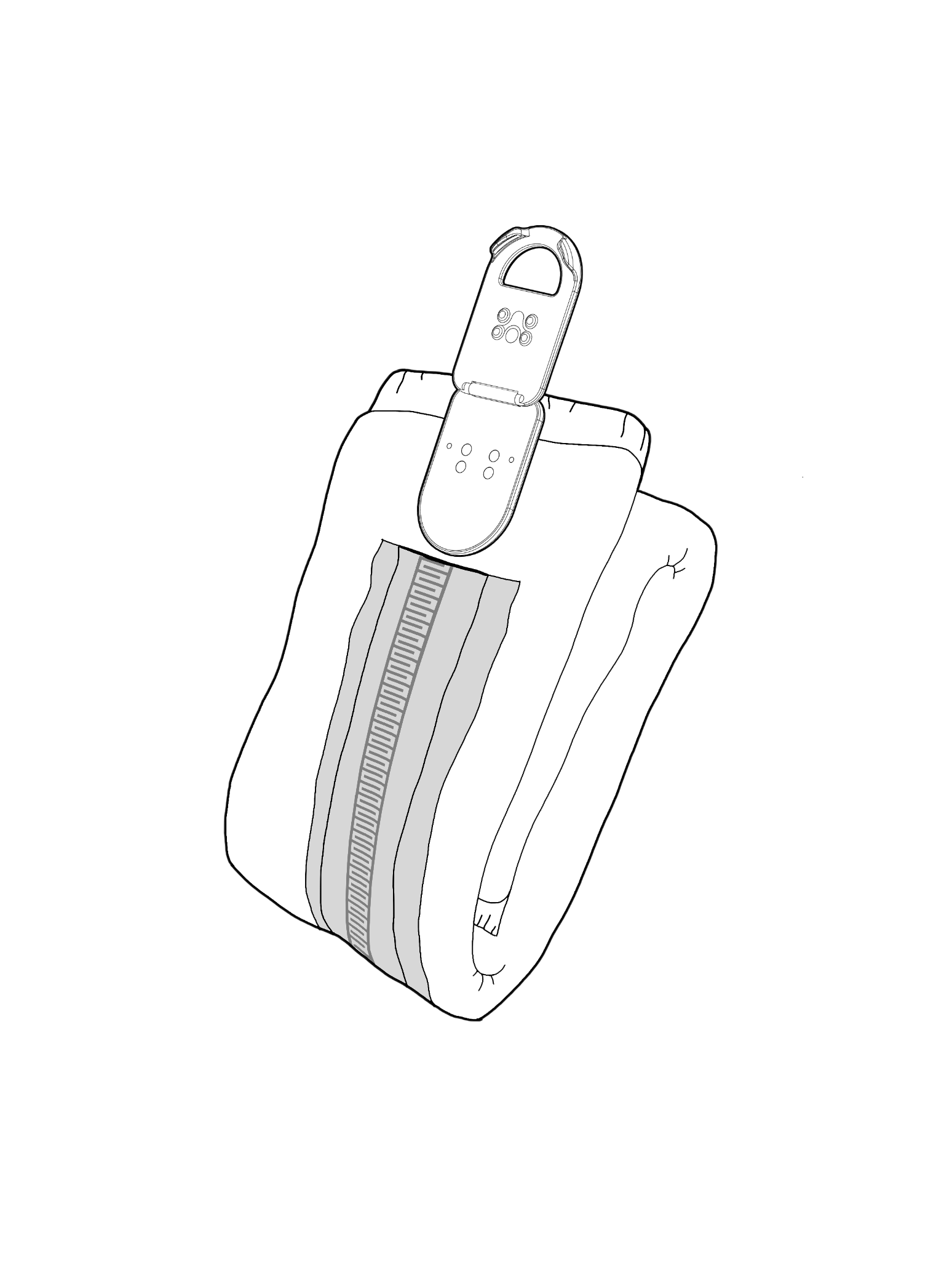
Alternatively, the Sensor Strip may be manually applied along the outer surface of a compatible incontinence product.
The end sections must remain uncovered so that the clip pockets or designated end zones are not obstructed and the Clip can be inserted and closed securely.
Correct placement depends on:
-
Incontinence product type and shape
-
Incontinence product size
-
Absorbent core design
-
Material properties
-
Manufacturer-specific product geometry
Training materials (e.g., instructional videos), support resources, and application guidance are available to assist with selecting suitable sizes, product combinations, quantities, and correct application procedures.
Manufacturer and Compatibility Overview
For both application options, the current support, manufacturer, and compatibility overview is authoritative.
This overview includes:
-
Generally compatible incontinence product manufacturers and product lines suitable for manual application of the Sensor Strip
-
Ready-to-use or inherently compatible manufacturer solutions with integrated Sensor Strips or integrated sensor structures
Approved combinations depend on the manufacturer, product line, material construction, surface characteristics, and product geometry.
A current list of compatible incontinence product lines is available through the support and compatibility overview.
Instructions for Option B: Applying the Sensor Strip to a Compatible Incontinence Product
|
|---|

|
|
|---|
|
|
|---|
|
|
|---|
|
|
|---|
|
|
|---|
|